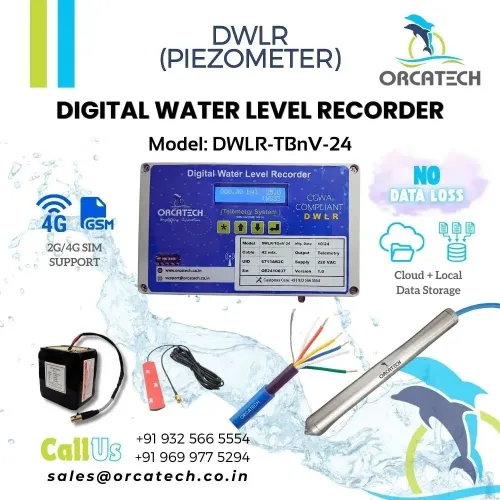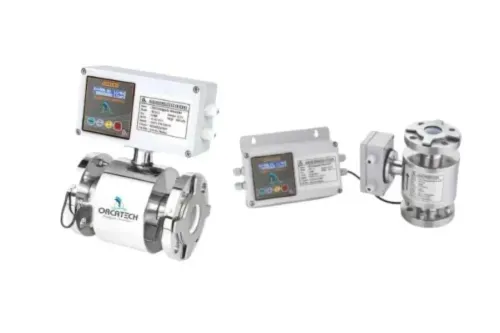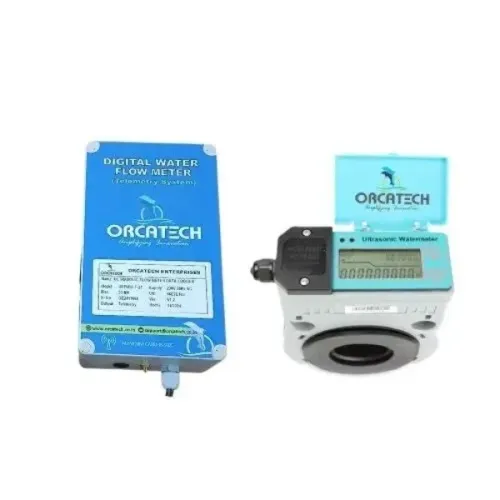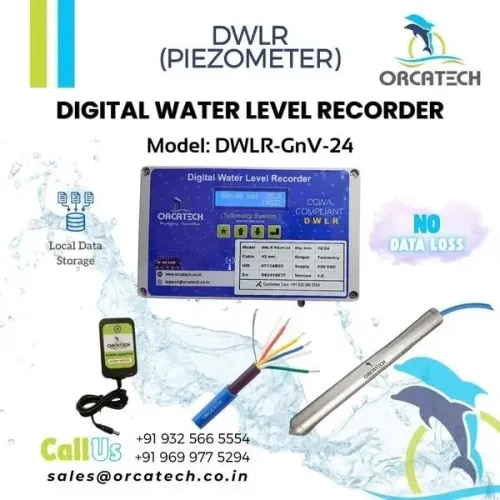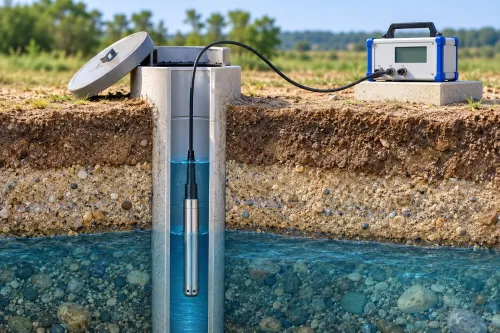
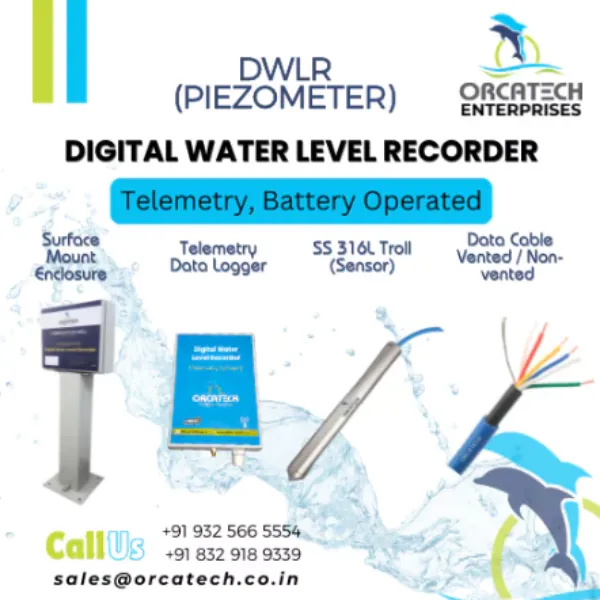
A Smart Digital Water Meter does more than display cumulative consumption. Depending on its configuration, it may record interval data, communicate readings remotely, generate alerts, and connect with water-management software. These capabilities can help industrial facilities, campuses, infrastructure projects, and distribution networks understand when, where, and how water is being used.
The right meter should be selected around the operational problem. Buying a connected device without defining the required data, communication method, and maintenance process can result in an expensive display rather than a useful monitoring system.
Define the Measurement Objective
Start by identifying what the project needs to achieve. Possible objectives include billing, process monitoring, water balancing, leakage identification, consumption benchmarking, automated reporting, or regulatory documentation.
A billing application may require specific metrological approvals. An industrial dashboard may prioritise interval data and integration. A remote distribution point may need battery-powered communication and tamper alerts.
The intended use determines which specifications matter most.
Prepare a Complete Site Data Sheet
Suppliers need accurate field information to evaluate a meter. Before requesting proposals, collect:
- Pipe diameter and material
- Fluid type and quality
- Minimum and maximum flow
- Typical operating pressure
- Temperature range
- Installation orientation
- Available straight-pipe length
- Power availability
- Existing control platform
- Communication-network conditions
- Environmental exposure
- Required enclosure protection
The team should also confirm whether the pipeline can be shut down. This affects whether an inline or externally mounted solution is practical.
Evaluate Communication Options
A smart meter may support pulse, analogue, RS-485, Modbus, cellular, LoRaWAN, or other communication methods. The presence of a communication port does not guarantee compatibility with the project’s software.
Procurement teams should ask:
- What exact data will be transmitted?
- How often will data be sent?
- Is a gateway required?
- Who provides the SIM or network service?
- Can data be accessed through an API?
- What happens during a network outage?
- Is information stored locally until communication returns?
- Can the meter connect to the existing PLC or SCADA system?
Cybersecurity, user permissions, data ownership, and platform continuity should also form part of the evaluation.
Look Beyond the Accuracy Percentage
Accuracy matters, but usable measurement also depends on low-flow performance, turndown ratio, installation conditions, and long-term stability. A meter may perform well near normal flow yet fail to detect small overnight consumption or leakage.
Ask suppliers to explain performance across the expected operating range. Calibration documentation should relate to the offered model and size. The required verification frequency should be understood before purchase.
Consider Total Cost of Ownership
The lowest quotation may not provide the lowest lifecycle cost. Additional expenses may include pipe modification, civil work, wiring, gateways, communication charges, software subscriptions, calibration, battery replacement, and site visits.
Compare proposals using the complete installed and operating cost. Also assess the availability of technical documentation, commissioning support, replacement components, and service response.
For Pune-based projects, local application support can be valuable when sites require inspection, installation guidance, integration assistance, or troubleshooting.
Check Reporting and Alert Functions
A useful platform should present information in a form that engineers and managers can act upon. Daily totals alone may not reveal short-duration leakage or unusual nighttime consumption.
Review whether the system can provide interval trends, comparisons, downloadable records, threshold alerts, device-health status, and user-defined reporting periods. Alerts should be configurable so routine variations do not overwhelm users.
Make Selection Evidence-Based
Before issuing a purchase order, ensure the proposal states the measurement technology, size, materials, performance range, outputs, communication architecture, installation requirements, supplied accessories, commissioning responsibilities, and warranty terms.
Orcatech Enterprises works with water-monitoring applications in Pune where equipment must be aligned with operational and connectivity requirements. A detailed technical discussion before purchase can reduce later changes.
A Smart Digital Water Meter creates value when its readings lead to action. Clear objectives, accurate site information, compatible communication, realistic lifecycle costing, and dependable support are the foundations of a successful investment.
Keywords